Becoming a published author is now easier than ever, with the rise of self-publishing and print on demand platforms, what used to be a dream for many is now a reality. There is a vast difference between vanity publishing and publishing a book that becomes successful and serves a purpose – don’t fall into the trap that so many others have during the rise of the indie author. The route to seeing your manuscript become a fully fledged book, available to the masses, couldn’t be easier or more exciting than it is today.
Some people believe that there is a book inside every one of us, and some will say that for most that is exactly where that book should stay – inside and unpublished. But what if you have something to share that you think will benefit others? Or what if you have the opportunity to see a lifelong dream come true? Should you still hold back and leave that book unwritten and unpublished? Or do you throw caution to the wind and invest the time and money to write and self-publish your book?
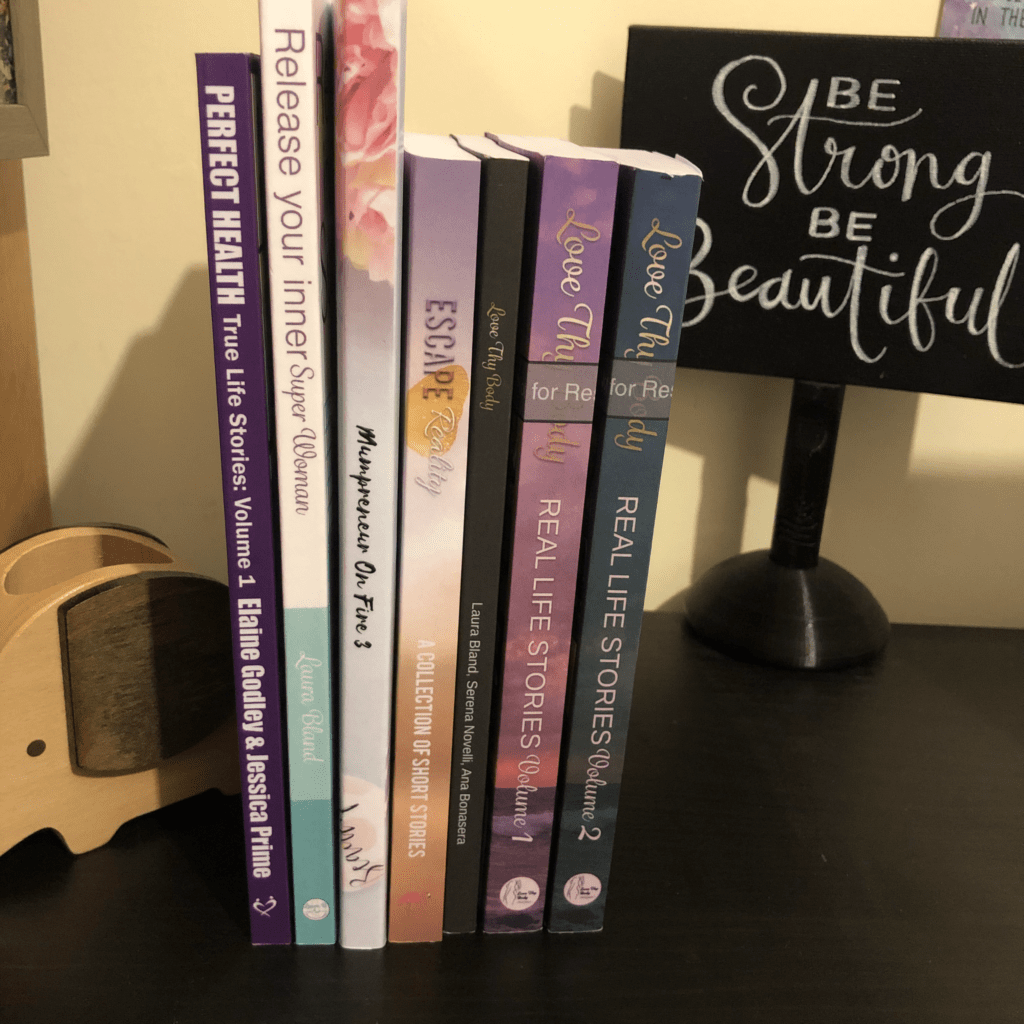
I’m all for throwing caution to the wind when you have something that you want to create that you feel can truly help others or simply bring you joy. I’ve written/contributed to more than a dozen books, you can see a small selection here, and they have all be successfully self-published.
Can ‘anyone’ really publish a book?
For me the choice on whether or not you go ahead and self-publish your book rests firmly with you and the choices that you want to make and the purpose behind your book. I am a huge advocate of self-publishing, for many reasons, not least of which is the ability to build a legacy through books that can support others and go on to withstand the test of time. Not every great author, or entrepreneur, would be able to secure a traditional publishing contract, so having the ability to self-publish prevents your work of art from being lost.
Traditional more well known publishing houses such as Hachette Book Group, Harper Collins, and Penguin Random House will most likely accept and review manuscripts that come by way of a literary agent – a third party who represents the author and is trying to secure a traditional publishing deal for them.
Being traditionally published typically means that there are no upfront development costs for the author once the manuscript has been accepted, they may even also be offered an advance payment on the royalties that the publisher expects them to generate. Finding and securing a traditional publishing contract might be your dream but it is notoriously hard to obtain this. J.K Rowling received numerous rejections before she was finally able to secure a publishing deal. Whilst these stories of persistence and eventual triumph may provide hope that a traditional deal is obtainable it also sheds light on how difficult it can be to obtain and how long the process can take. In fact, you may even struggle to find a literary agent that has time and space and can take you on.
Rejection after rejection can be hard to handle and can leave even the most hardened of us feeling dejected and ready to throw in the towel, but what if all we need is a different approach? Rejection from publishers doesn’t mean that your writing isn’t good or that your book isn’t worthy of being published. It could just mean that your genre doesn’t fit with what they publish, it could be that they already have a full quota of books that they are working on, they could have strict policies on the criteria that an unknown writer needs to meet in order to be offered a contract and it could just be that you don’t quite fit the bill…yet.
Have you thought about self-publishing?
In the early days self-publishing was just as difficult as traditionally publishing, but for a whole heap of different reasons. The cost per unit of publishing was high, handling orders and dealing with shipping could be a nightmare, many authors didn’t understand the need for good copy editing and typesetting and so books riddled with errors were put out onto the market and many people were turned off from buying self published books.
This has all changed though in recent years, and now a self-published book can be just as polished and professional looking as a traditionally published book – you simply have to find the right people to work with during the final development stages of your book. Don’t overlook services like proofreading, copy editing and typesetting.
The opportunity to self-publish, and the advent of print on demand publishing, such as Amazon KDP, has opened the world up to thousands of new books that would have otherwise remained firmly in the authors head or hidden away with the abandoned manuscripts gathering dust on a shelf. Print on demand has simplified the process of getting books out to readers and made the life of self-published authors much simpler – no longer having to deal with individual orders or the hassle of packaging and shipping books has made print on demand an even more attractive proposition.
Why would you write your book?
There are multiple reasons that could be driving your decision to write and publish your book and each one of them is as valid as the other, what you write, why you write it, and who your book is for, is something that you need to spend time focussed on so that you can have a clear plan of what you want to create. If this is something that you are struggling with then perhaps joining my writing academy would be a great move for you, contact me to talk about if the academy is right for you.
Some great reasons that you might choose to publish your book are:
- Fill a gap in the market
- Have you spotted that there is a gap in the market that you could fill? A way to bring value to others that doesn’t currently exist? Something that could help others to advance in life or in business?
- Generate an additional revenue
- Whilst I would never pretend that you are going to become an overnight millionaire by publishing your book it can help you to generate an additional revenue stream.
- Increase your authority in your field
- Writing your book can be a great way to show others in your niche the depth of your expertise and help you to grow your authority and be the ‘go to’ person in your field. A published book can be a wonderful marketing tool and can allow you to pursue media opportunities to further grow your authority.
- Tell a story
- Share your journey and your story with others, become the best storyteller that you can be and create an impact on the lives of others, share your trauma’s and how you have overcome them, share your business journey and the lessons that you have learnt that can help others on their own journey.
- Fulfil a dream
- Your journey to writing and publishing your book could be driven by wanting to see your own dream come true – this is where my writing journey began – I warn you though, that first book that you write could get you addicted and you may find that many more follow.
Writing can be a beautiful creative process, you can put pen to paper and create a lasting legacy that will not only help you but will also help others. If writing your own book is something that you have been dreaming of but you don’t know where to start then book in for a discovery call and we can have a chat and build a plan to get you started.